St Nicholas CE Primary Academy
Science
What's in your habitat?
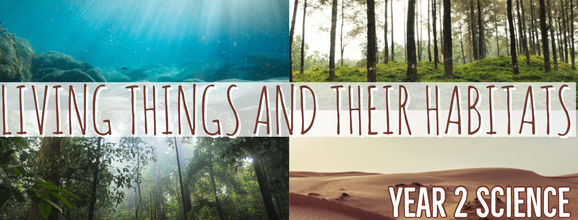
Living things and their habitats
This term we will be learning to:
- explore and compare the differences between things that are living, dead, and things that have never been alive
- identify that most living things live in habitats to which they are suited and describe how different habitats provide for the basic needs of different kinds of animals and plants, and how they depend on each other
- identify and name a variety of plants and animals in their habitats, including microhabitats
- describe how animals obtain their food from plants and other animals, using the idea of a simple food chain, and identify and name different sources of food
We explored some microhabitats in our wooded area in our lesson today and used our observation skills to see what minibeasts lived in the different microhabitats!


We learnt about local habitats, then we thought carefully about what living things might live there!


We sorted the different living things into their correct habitats!


We learnt about what all living things need 'MRS GREN' and used this information to sort objects into things that are living, dead or never been alive!


Habitats: What is a habitat?
Science - Key Stage 1: Learn about how a habitat provides the basic needs for all living things and how plants and animals depend on each other.
We will start by looking at things that are alive, not alive and things that have never been alive!
It's Alive! | Biology for Kids
You're alive! And so are all the plants in your garden, the birds in the sky, and the fish in the ocean! But how do we know they're alive? What does it even ...